You go to bed at a reasonable hour. You are in bed eight hours. You wake up feeling like you barely slept, drag through the morning, and hit a wall somewhere around two in the afternoon.
The usual advice is to fix your sleep hygiene. Dim the lights, cut the caffeine, put the phone down. Good advice, and if you have already done all of it and nothing changed, the problem is probably not your habits. It is what your body is doing while you are asleep.
The one that gets missed
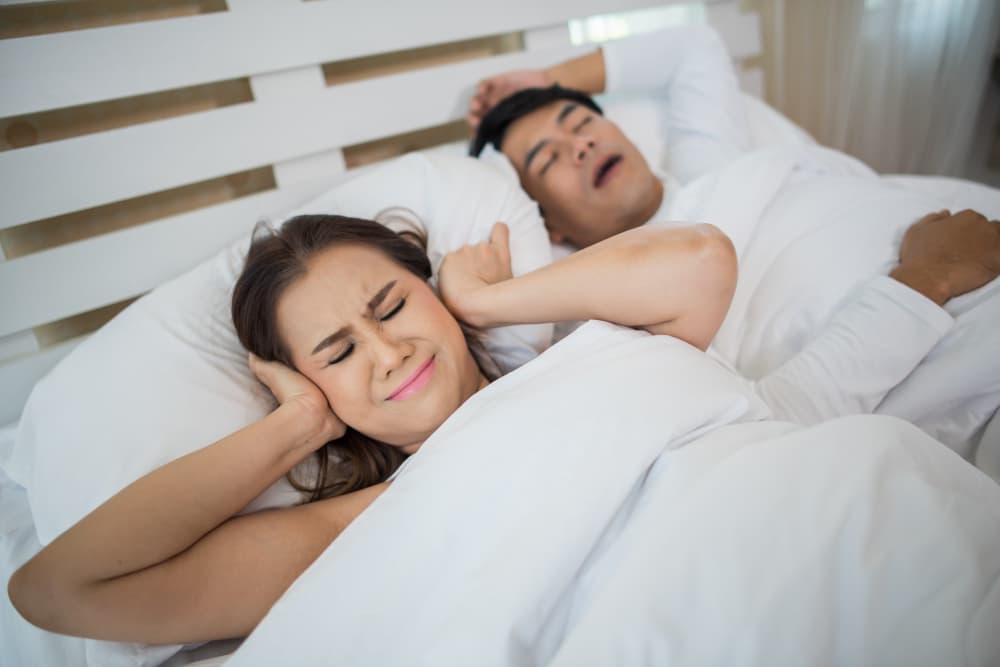
Obstructive sleep apnea is the most commonly overlooked cause of unrefreshing sleep, and the large majority of people who have it do not know. The airway narrows or closes repeatedly through the night. Oxygen drops, the brain surfaces just enough to reopen things, and you never register waking up. You only register the aftermath.
The reason it slips past so many people is that the picture in everyone's head is wrong. The stereotype is an overweight man who snores loudly. Plenty of patients with apnea are lean, and a narrow jaw, a recessed chin, or large tonsils can do it in someone with no weight concerns at all. Women frequently present differently, with fatigue, insomnia, morning headaches, and anxiety rather than obvious snoring, which is part of why they are diagnosed later and less often.
Signs worth taking seriously
Some point fairly specifically at a breathing problem: a partner who has seen you stop breathing or gasp, loud snoring, waking with a dry mouth or a headache, getting up to urinate more than once a night, and grinding your teeth.
Others are quieter. Blood pressure that stays high on two or three medications. Atrial fibrillation. Morning brain fog. Reflux that is worse overnight. Weight that will not move despite real effort. Testosterone that keeps coming back low in a man with no other explanation.
If several of those are true at once, testing is a reasonable next step regardless of how you think you sleep.
How testing works
There are two routes, and which one fits depends on your case.
A home sleep apnea test is what most people get. You wear a small device for a night or two in your own bed, and it records airflow, effort, oxygen, and heart rate. It is convenient, far cheaper than a lab study, and accurate enough when the suspicion of moderate to severe obstructive apnea is high and you do not have other major medical issues.
An in-lab sleep study measures more, including brain waves and sleep stages. It is the better choice when heart failure, significant lung disease, or neuromuscular disease is in the picture, when central sleep apnea is suspected, when a home test comes back negative but symptoms persist, or when something else like narcolepsy or a movement disorder needs to be ruled out.
Either way, the result is read and interpreted by a sleep physician. Screening and coordination happen here, and the diagnosis comes from the study.
One note on wearables. Your ring or watch may flag disturbed sleep or oxygen dips, and that is useful information for deciding whether to test. It is not a diagnosis, and a reassuring sleep score does not rule apnea out.
What untreated apnea actually costs
This is where it stops being about feeling tired.
Repeated oxygen drops and surges drive blood pressure up, and apnea is one of the common reasons hypertension resists treatment. It worsens insulin resistance, which makes metabolic problems harder to correct. It suppresses testosterone. It raises the risk of atrial fibrillation, stroke, and cardiovascular disease. Poor sleep quality over years is also associated with worse cognitive outcomes.
There is a practical point buried in that list. Chasing hormone levels, metabolic markers, or fatigue while an untreated airway problem runs every night is working against a headwind. Sequence matters, and apnea usually belongs early.
What treatment looks like
CPAP remains the most effective treatment, and modern machines are quieter and more comfortable than their reputation suggests. Most people who abandon it do so over mask fit or pressure settings, both of which are usually fixable.
For mild to moderate apnea, or for people who genuinely cannot tolerate CPAP, a custom oral appliance that holds the jaw forward is a legitimate alternative. Some people are strongly positional and improve substantially by not sleeping on their back. Weight loss helps when weight is a contributor, alcohol close to bedtime makes everything worse, and surgical options including hypoglossal nerve stimulation exist for selected cases.
Follow-up testing confirms the treatment is doing what it should, rather than assuming it is.
When it is not apnea
Not every case of exhausting sleep is a breathing problem, and a study that comes back clean is still useful information.
Chronic insomnia responds best to cognitive behavioral therapy for insomnia, which outperforms sleep medication over time. Restless legs is worth checking iron and ferritin for. Circadian misalignment from shift work or inconsistent timing is its own problem. Thyroid dysfunction and perimenopause both disrupt sleep. And sometimes the answer really is that you are sleeping six hours and calling it seven.
The point of testing is to find out which of these you are dealing with instead of guessing.
Where to start
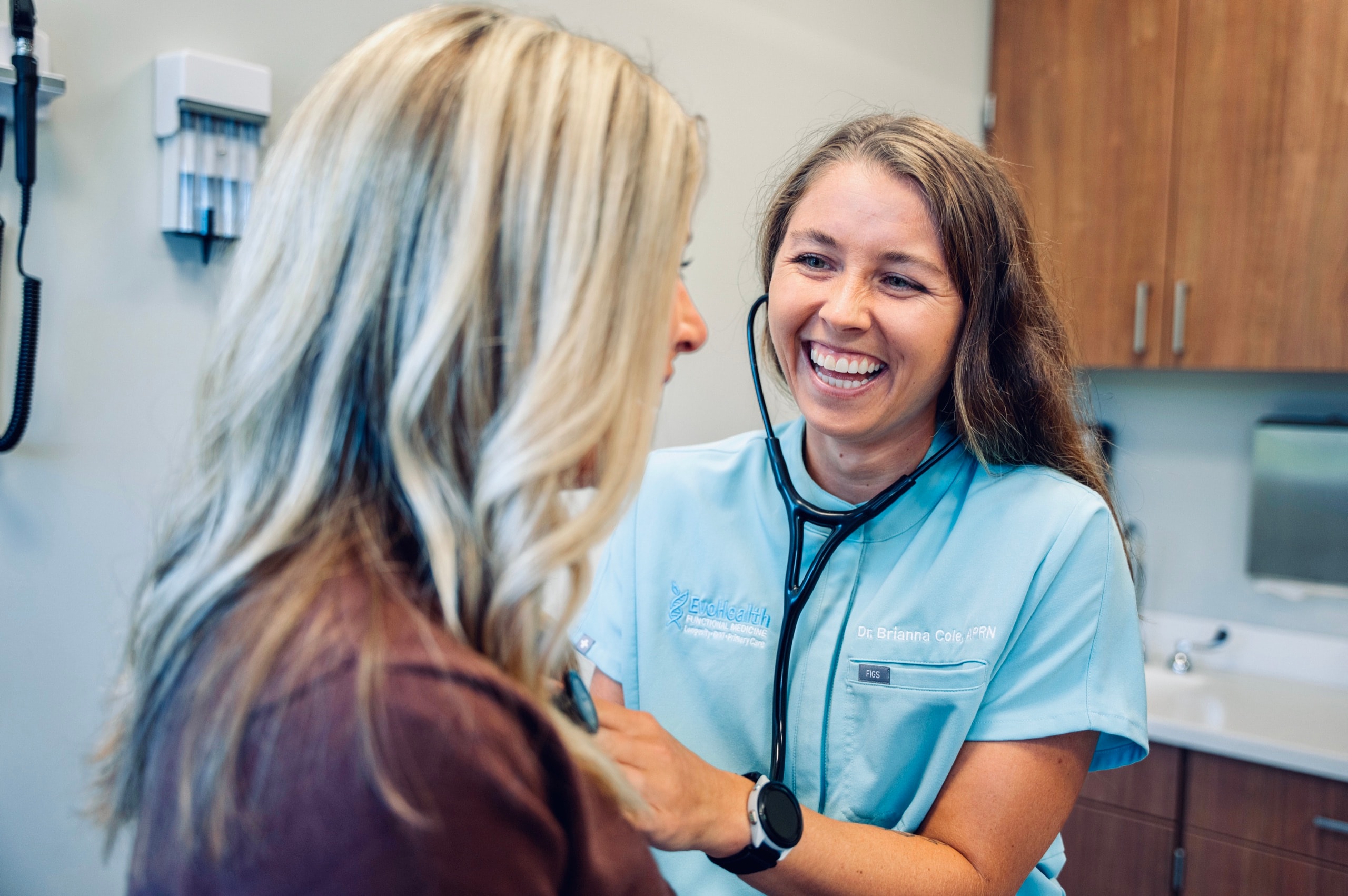
Dr. Tanner Wilson, DC, IFMCP and Brianna Cole, DNP, APRN, FNP-C screen for sleep-disordered breathing as part of the initial workup at the Overland Park office, coordinate testing, and refer to sleep medicine when a study or ongoing management is needed. Virtual visits are available across Kansas and Missouri.
If you have wearable data or a prior sleep study, bring it.
Book your free discovery call or call (913) 404-2193.